
learnAbout the EPOC Network
The Enhanced Postoperative Care (EPOC) Network is focused on improving patient outcomes after surgery.
The Network brings hospitals and individuals together to deepen our understanding of ways to improve early postoperative care. It presents an opportunity to examine and strengthen the evidence on the structures and processes in EPOC-type units that matter most to patient and hospital outcomes, support centres to start EPOC units, and guide future innovation and research in early postoperative high-acuity care.
-
To work together to improve the deployment and development of EPOC-type units worldwide, for the benefit of patients and the healthcare community.
-
To promote best practices, expand knowledge, and improve the quality and value of postoperative care.
-
To help reach our goals, we are focused on three areas.
Education
Research & innovation
Value & economics
Our people
The Network is led by a group of experienced clinicians, researchers and innovators.
-

Guy Ludbrook
Prof Ludbrook is Professor of Anaesthesia at University of Adelaide and Royal Adelaide Hospital, Director of PARC Clinical Research, and Director of Innovation at Central Adelaide Local Health Network. His interests include anaesthesia and perioperative medicine; pharmacology; clinical trials; Health services improvement, and health economics.
-

Mike Grocott
Prof Grocott is Professor of Anaesthesia and Critical Care Medicine at the University of Southampton, Director of the NIHR Southampton Biomedical Research Centre, elected Council Member of the Royal College of Anaesthetists, and founder of the Centre for Perioperative Care (CPOC). His interests include critical care, patient safety, and healthcare policy.
-

Kathy Heyman
Kathy Heyman RN, BSN is a Senior Research Nurse with over 15 years of experience in perioperative research and clinical care, and has contributed to several studies on preoperative and postoperative care protocols. Her professional interests include perioperative safety, evidence-based practice, patient outcomes, clinical trials, and mentoring within the research nursing field.
-
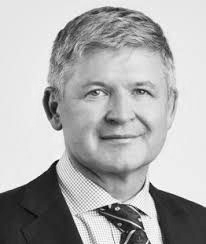
Colin Royse
Dr Royse is a Professor of Anesthesiology at the University of Melbourne and a cardiothoracic anesthesiologist at the Royal Melbourne Hospital. His research interests include cardiac surgery outcomes, postoperative quality of recovery, echocardiography and clinical ultrasound. He is a founder of the Postoperative Quality of Recovery Scale (PostopQRS).
-
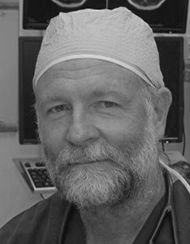
Jamie Sleigh
Jamie Sleigh is Professor of Anaesthesiology at the Waikato Clinical Campus of the University of Auckland, Hamilton, New Zealand. He has practised in both intensive care medicine and anaesthesia and has been active in research for more than 30 years, publishing over 300 papers on a wide range of topics.
-

Nick Koning
Nick Koning is Anesthesiologist and Pain Specialist at Rijnstate Hospital, Arnhem, The Netherlands. His professional interests include chronic pain, neuromodulation, anesthesia and perioperative medicine.
-

Karina Kendall
Karina has been a nurse at the Royal Adelaide Hospital for 30 years. Her background includes specialising in spinal injuries nursing before transferring into PACU. Karina is passionate about sharing knowledge and resources to help other hospitals set up their own ARRC.
-

Esrom Leaman
Esrom Leaman is a specialty trainee in anaesthetics at the Royal Adelaide Hospital and a Research Fellow at the Centre for Perioperative Health Economics and Policy. He is undertaking PhD studies through the Clinician PhD Pathway Program at the University of Adelaide and Central Adelaide Local Health Network.
-

Georgia Cadzow
Georgia Cadzow is a Resident Medical Officer at the Royal Adelaide Hospital and the Education and Resource Developer for the EPOC Network. She is completing a Master of Health Economics at Deakin University. Her professional interests include health economics and medical education.
-

Albert Chan
Dr Chan is Chief of Service of the Department of Anaesthesia, Pain and Perioperative Medicine at Prince of Wales Hospital, Hong Kong, Honorary Clinical Associate Professor at the Chinese University of Hong Kong, and a council member of the Hong Kong College of Anaesthesiologists. His interests include the implementation of technology in perioperative care.
-
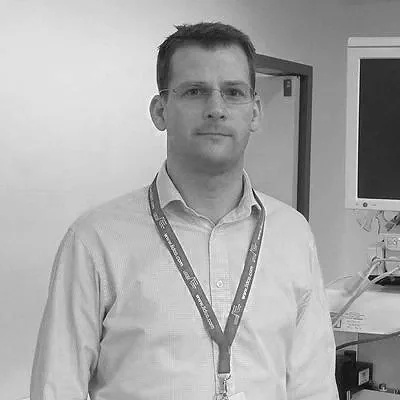
Simon Davies
Dr Simon Davies is a Reader in Perioperative Medicine at Hull York Medical School and an Honorary Consultant in Anaesthesia at York and Scarborough Teaching Hospitals NHS Foundation Trust. He trained at the University of Edinburgh and specializes in major surgery anaesthesia, cardiopulmonary exercise testing, and surgical risk assessment.
-

John Whittle
John Whittle is Associate Professor of Perioperative Medicine at University College London and an Honorary Consultant in Anaesthesia and Perioperative Medicine at University College London Hospitals NHS Foundation Trust. He is Clinical Lead for the Enhanced Postoperative Care unit at UCLH and leads the UCLH Prehabilitation service.
-

Ian Richardson
Dr Ian Richardson is a consultant anaesthetist and perioperative specialist at Peter MacCallum Cancer Centre, Melbourne. Ian leads high-acuity services and develops enhanced postoperative cancer care, with interests in resuscitation, clinical deterioration, quality improvement, patient safety, and supporting other hospitals to establish similar services.
Our partners
We are proud to collaborate with these organisations and services.
-
Medibank is an Australian private health insurance provider, offering hospital and extras cover, travel insurance, and corporate health services.
-
PARC Clinical Research is a high-acuity clinical trials unit located within the Royal Adelaide Hospital (RAH) in South Australia, developed in collaboration with the University of Adelaide. It specialises in conducting industry-sponsored Phase 1-3 clinical trials across various medical specialties, alongside grant-funded investigator-initiated studies. [1, 2, 3]
-
A statutory body in South Australia that holds, invests, and manages charitable gifts, donations, and bequests for public health entities. It operates under the Health Services Charitable Gifts Act 2011 to ensure that all contributed funds are used strictly according to donors' wishes.
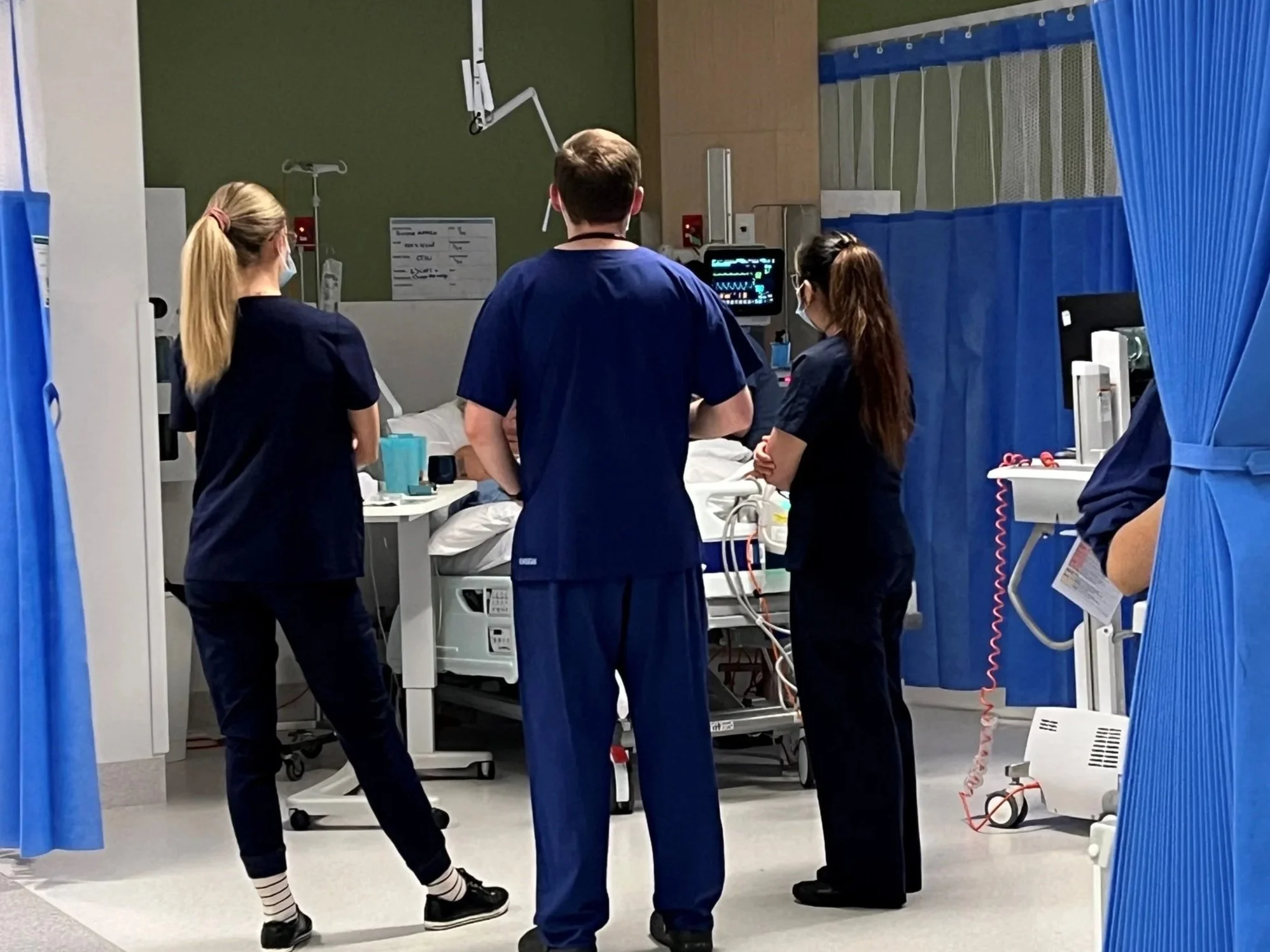
What is an EPOC unit?
Enhanced postoperative care (EPOC) units are facilities that provide enhanced care to patients in the early postoperative period.
There is a growing number of hospitals that have EPOC-type units.
What are the benefits?
-
-
One hospital saved $1081 AU for each patient assigned to enhanced postoperative recovery care. Each of these patients spent 4.3 more days at home.
-
High-risk surgical patients have shorter hospital stays when treated by a multidisciplinary perioperative medicine team.
-
Introduction of perioperative care support roles at a Victorian hospital has led to a decrease in expensive day-of-surgery cancellations to less than 1 per cent.
-
High-risk surgical patients have a shorter hospital stay if treated by a multidisciplinary perioperative medicine team.
References
Outcomes of Postoperative Overnight High-Acuity Care in Medium-Risk Patients Undergoing Elective and Unplanned Noncardic Surgery (Ludbrook et al., 2023)
A multidisciplinary perioperative medicine clinic to improve high-risk patient outcomes. A service evaluation audit (Fullbrook et al., 2022)
WHAT PEOPLE ARE SAYING